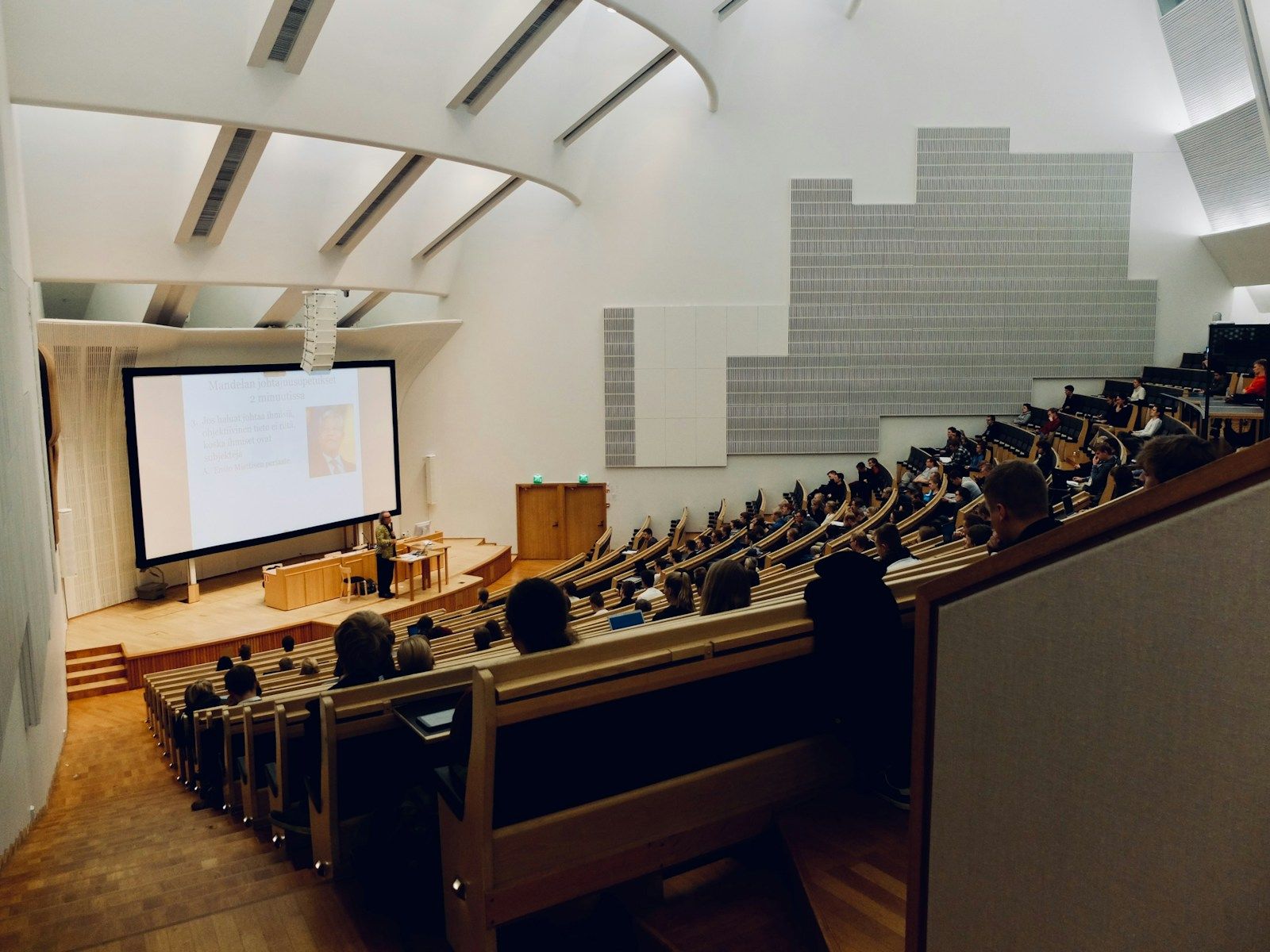
For students, life often feels like a juggling act. Between attending classes, completing assignments, preparing for exams, maintaining social relationships, and pursuing hobbies, the daily demands can be overwhelming. While exams are critical milestones in academic life, excessive stress and poor time management can take a toll on both performance and well-being. Learning how to balance life and exams is not just about working harder but about working smarter. By mastering effective time management strategies, students can maximize productivity, reduce stress, and still enjoy a fulfilling personal life. WGU class taker is great if you go to WGU.
I. Understanding the Challenge
Balancing academics with personal life is challenging because students face competing priorities. On one hand, exams require consistent preparation and focus. On the other hand, personal health, social interactions, and relaxation are essential for mental and physical well-being. Neglecting any of these areas can lead to burnout, reduced efficiency, and even poor academic performance. Recognizing that time is finite and prioritizing tasks is the first step toward achieving balance.
II. Effective Time Management Strategies
Time management is the cornerstone of balancing life and exams. It allows students to allocate resources wisely, maintain focus, and meet deadlines without feeling overwhelmed. Here are some practical strategies:
1. Prioritize Tasks Using the Eisenhower Matrix
Not all tasks are equally important. The Eisenhower Matrix helps students categorize tasks into four groups:
- Urgent and important (must do immediately)
- Important but not urgent (schedule for later)
- Urgent but not important (delegate if possible)
- Neither urgent nor important (consider eliminating)
By focusing on what truly matters, students can avoid wasting time on distractions and manage their workload efficiently.
2. Create a Structured Schedule
Planning daily and weekly schedules allows students to balance study sessions, classes, social activities, and personal care. Tools such as planners, calendars, or apps like Google Calendar can help organize tasks, set reminders, and visualize free time. Breaking the day into dedicated study blocks and short breaks improves concentration and prevents fatigue.
3. Apply the Pomodoro Technique
The Pomodoro Technique involves studying intensely for 25–30 minutes, followed by a 5-minute break. After completing four cycles, a longer break of 15–30 minutes is taken. This method boosts focus, prevents procrastination, and maintains energy levels throughout long study sessions.
4. Avoid Multitasking
Many students believe multitasking saves time, but research shows it reduces efficiency and memory retention. Focusing on one task at a time ensures higher quality work and faster completion. For instance, dedicating a study session entirely to a single subject produces better results than splitting attention across multiple subjects.
5. Set Realistic Goals
Setting achievable goals prevents frustration and builds motivation. Students can break large tasks into smaller, manageable chunks, creating a sense of progress and accomplishment. For example, instead of saying, “I’ll study the whole biology syllabus today,” a student might aim to finish two chapters with detailed notes.
6. Incorporate Rest and Leisure
Balance is not about constant work. Regular breaks, exercise, social interactions, and hobbies recharge the mind and reduce stress. Even short walks, meditation, or listening to music can improve mood and cognitive function, making study time more effective.
III. Strategies for Exam Preparation Without Sacrificing Life
Balancing exams and life also requires smart preparation strategies:
- Prioritize Weak Areas: Focus on topics that are difficult or frequently tested to maximize exam efficiency.
- Use Active Recall and Spaced Repetition: These methods enhance long-term memory, reducing the need for last-minute cramming.
- Practice Past Papers: Familiarity with exam formats improves confidence and reduces anxiety.
- Form Study Groups: Group study allows sharing knowledge efficiently, motivating peers, and reinforcing understanding.
By combining effective study techniques with time management, students can study smarter, not harder, freeing time for personal well-being.
IV. Maintaining Physical and Mental Health
A student’s health is a crucial but often overlooked aspect of exam preparation. Poor sleep, unhealthy eating, and sedentary habits can impair focus and memory. To maintain health:
- Aim for 7–8 hours of sleep daily to consolidate learning and rejuvenate the brain.
- Eat a balanced diet rich in proteins, vitamins, and healthy fats to fuel cognitive function.
- Exercise regularly, even briefly, to reduce stress and improve mood.
- Practice mindfulness or meditation to calm anxiety and improve concentration.
V. Overcoming Common Time Management Challenges
Even with the best strategies, students may face obstacles such as procrastination, distractions, or overwhelming workloads. To overcome these:
- Identify time-wasting habits: Limit social media, excessive gaming, or idle browsing.
- Break tasks into micro-goals: Small steps are easier to start and maintain momentum.
- Reward progress: Positive reinforcement keeps motivation high, such as treating oneself after completing study goals.
- Seek support: Teachers, peers, or counselors can provide guidance and accountability.
By anticipating challenges and planning proactively, students can maintain balance without compromising academic performance.
VI. Conclusion
Balancing life and exams is not about perfect efficiency or sacrificing personal happiness for academic success. It is about managing time wisely, prioritizing tasks, and integrating study with self-care. Effective time management strategies — such as structured scheduling, focused study sessions, active recall, and balanced leisure — enable students to perform better academically while enjoying a healthier, more fulfilling lifestyle. In the demanding world of education, learning to balance responsibilities is not just a skill for exams but a lifelong tool that will serve students well beyond the classroom.