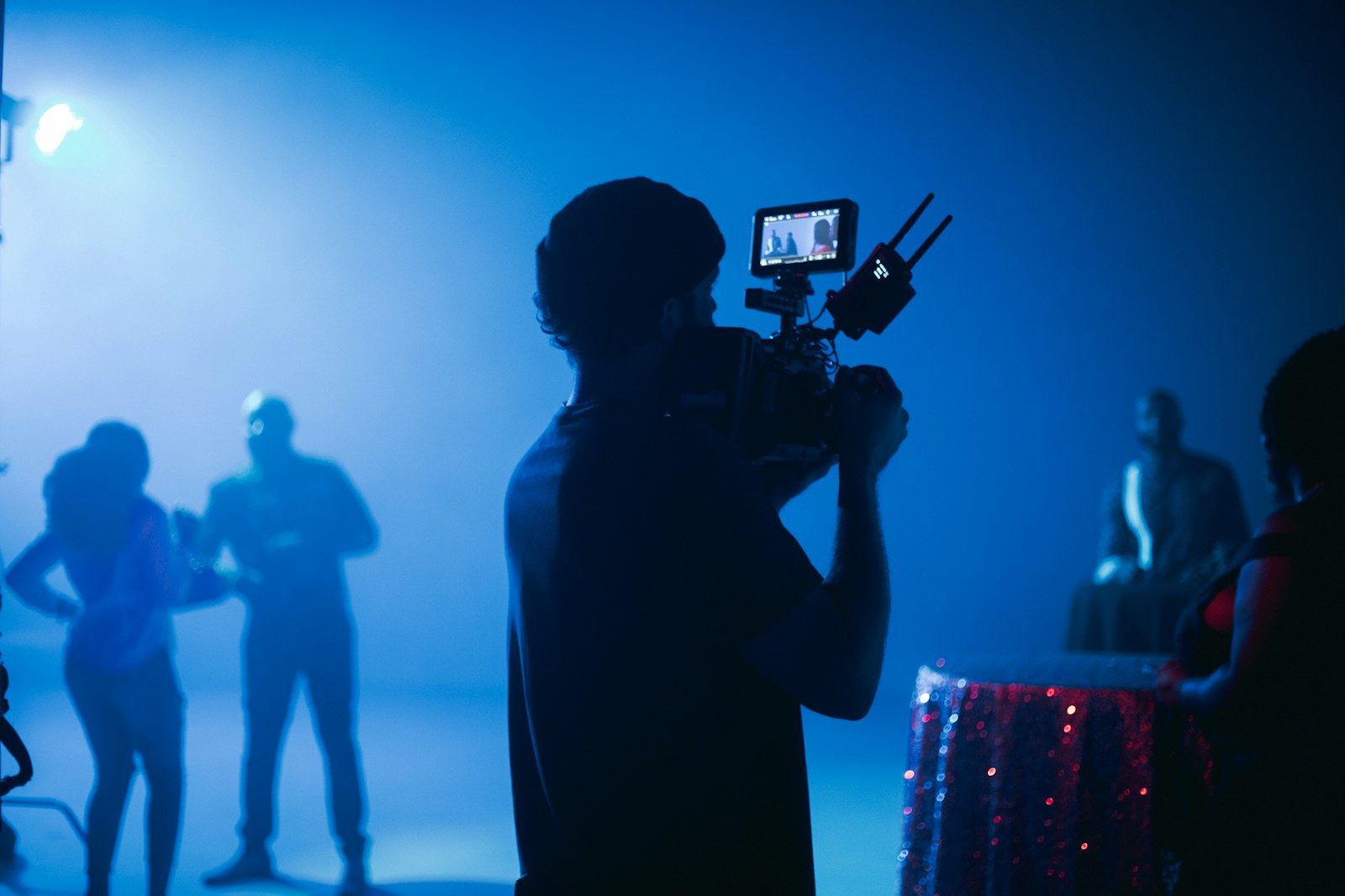
Video production orange county has always been a field in constant motion, driven by technology, audience behavior, and the ever-evolving demands of storytelling. In 2025, the industry stands at an inflection point, shaped not only by new tools but by fundamental shifts in how stories are conceived, captured, and consumed. Understanding these shifts is crucial for professionals seeking to stay ahead of the curve. While speculation about the “next big thing” is common, the future of video production is less about chasing gadgets and more about integrating technology, creativity, and audience engagement into a coherent practice that anticipates change rather than reacts to it.
At the heart of this transformation is accessibility. In the past, high-quality video production was reserved for those with deep pockets and large crews. Cameras, lenses, lighting rigs, and post-production software were prohibitively expensive. Today, technology has democratized the craft. Powerful cameras fit in the palm of your hand, editing software is cloud-based and collaborative, and lighting and audio tools are increasingly compact and affordable. This democratization has profound implications: it expands the pool of storytellers, increases competition, and raises the bar for what audiences expect. Professionals now compete not only with peers but with a global network of creators whose tools, skills, and insights are readily accessible.
Yet, even as technology lowers barriers, it amplifies the importance of intentionality and vision. The tools themselves cannot tell a story; they serve the story. In this sense, the future of video production will reward those who can combine technical mastery with creative foresight. Cinematographers who understand the subtleties of light and color, editors who can pace narratives with precision, and sound designers who craft immersive aural experiences will continue to be invaluable. The difference is that their work will increasingly integrate with technology that automates repetitive tasks, analyzes audience engagement, and optimizes content for multiple platforms simultaneously. This allows professionals to spend less time on routine processes and more time shaping experiences that resonate emotionally and intellectually.
One of the most striking shifts is the growing role of virtual production. Technologies like LED volume stages and real-time rendering engines have begun to blur the line between physical and digital sets. Productions that once required weeks of location scouting and construction can now be realized entirely in a controlled studio environment, with virtual environments rendered in real time. This not only reduces costs and logistical challenges but also enables creative possibilities previously unimaginable. Directors can visualize final shots while filming, actors can interact with realistic backgrounds, and cinematographers can experiment with lighting and framing in ways that blend the physical and the digital seamlessly. The implications extend beyond feature films and high-end commercials; corporate video, educational content, and even social media storytelling are beginning to explore virtual production to achieve immersive results without prohibitive budgets.
Artificial intelligence is another transformative force. AI-assisted editing, color grading, and sound design are no longer theoretical; they are actively shaping workflows. Machine learning algorithms can identify the most compelling shots, match colors across sequences, reduce noise in audio tracks, and even suggest pacing adjustments based on audience engagement data. While AI cannot replace the human intuition that guides narrative choices, it acts as an accelerant, enabling professionals to explore creative directions more efficiently and refine content in ways that align with audience expectations. In 2025, success will depend not on resisting automation but on integrating it thoughtfully into the creative process.
Audience behavior is also redefining production priorities. Short-form, mobile-first content has surged in prominence, driven by social media platforms that favor bite-sized, highly engaging videos. Attention spans are fragmenting, yet viewers increasingly seek authenticity, relatability, and interactivity. This paradox challenges professionals to balance cinematic quality with immediacy and intimacy. A highly polished production may impress, but it risks alienating audiences accustomed to raw, real-time engagement. Conversely, content that feels authentic but lacks technical quality may fail to hold attention. Navigating this balance requires a nuanced understanding of context, platform, and audience psychology, making strategic thinking as critical as technical skill.
Sustainability and ethics are emerging as underlying themes in the future of production. Energy-efficient LED lighting, reduced travel through remote collaboration, and virtual set usage are beginning to minimize environmental impact. Beyond ecological considerations, diversity and inclusion are reshaping the narratives being told and the teams telling them. Modern audiences expect not just high-quality visuals but stories that reflect a broader spectrum of experiences, voices, and perspectives. Professionals who embrace these principles are not merely responding to social trends; they are aligning production practices with the values and expectations of contemporary viewers.
Monetization and distribution models are evolving alongside production practices. Platforms like streaming services, social media, and niche content networks are driving demand for specialized content tailored to specific audiences. Subscription models, interactive video, and augmented reality experiences are becoming viable avenues for engagement and revenue. Video production, therefore, is no longer just about creating a linear narrative; it is about designing experiences that can adapt to multiple formats, channels, and audience behaviors. Professionals are increasingly called upon to think beyond the camera and into ecosystems, considering how a single production can function across platforms, devices, and contexts.
Despite the technological complexity of modern production, fundamental principles remain unchanged. Story, emotion, pacing, and audience empathy are still the bedrock of memorable video content. The future does not replace these elements; it enhances their execution. The challenge and opportunity for professionals in 2025 and beyond lie in mastering both the art and the technology, integrating intuition with innovation, and translating creative vision into experiences that resonate across increasingly fragmented and competitive media landscapes.
Ultimately, the future of video production is one of convergence: physical and virtual environments, human creativity and artificial intelligence, cinematic quality and short-form immediacy, technical expertise and audience insight. Professionals who can navigate these intersections with clarity, skill, and vision will not only survive but thrive. Technology may shape the methods, tools, and possibilities of production, but the enduring power of video lies in its ability to connect, inspire, and move people. Those who embrace this principle while adapting to the emerging landscape will define the next era of visual storytelling.
In conclusion, video production in 2025 is not merely about new cameras, software, or gadgets; it is about thinking strategically, integrating technology intelligently, and prioritizing story and audience above all. Professionals who can anticipate trends, adopt innovations thoughtfully, and maintain a focus on narrative impact will lead the industry forward. The future is expansive, dynamic, and full of potential — and it rewards those who combine technical mastery with creativity, insight, and adaptability. For anyone dedicated to the craft, the opportunities to innovate, engage, and inspire have never been greater.