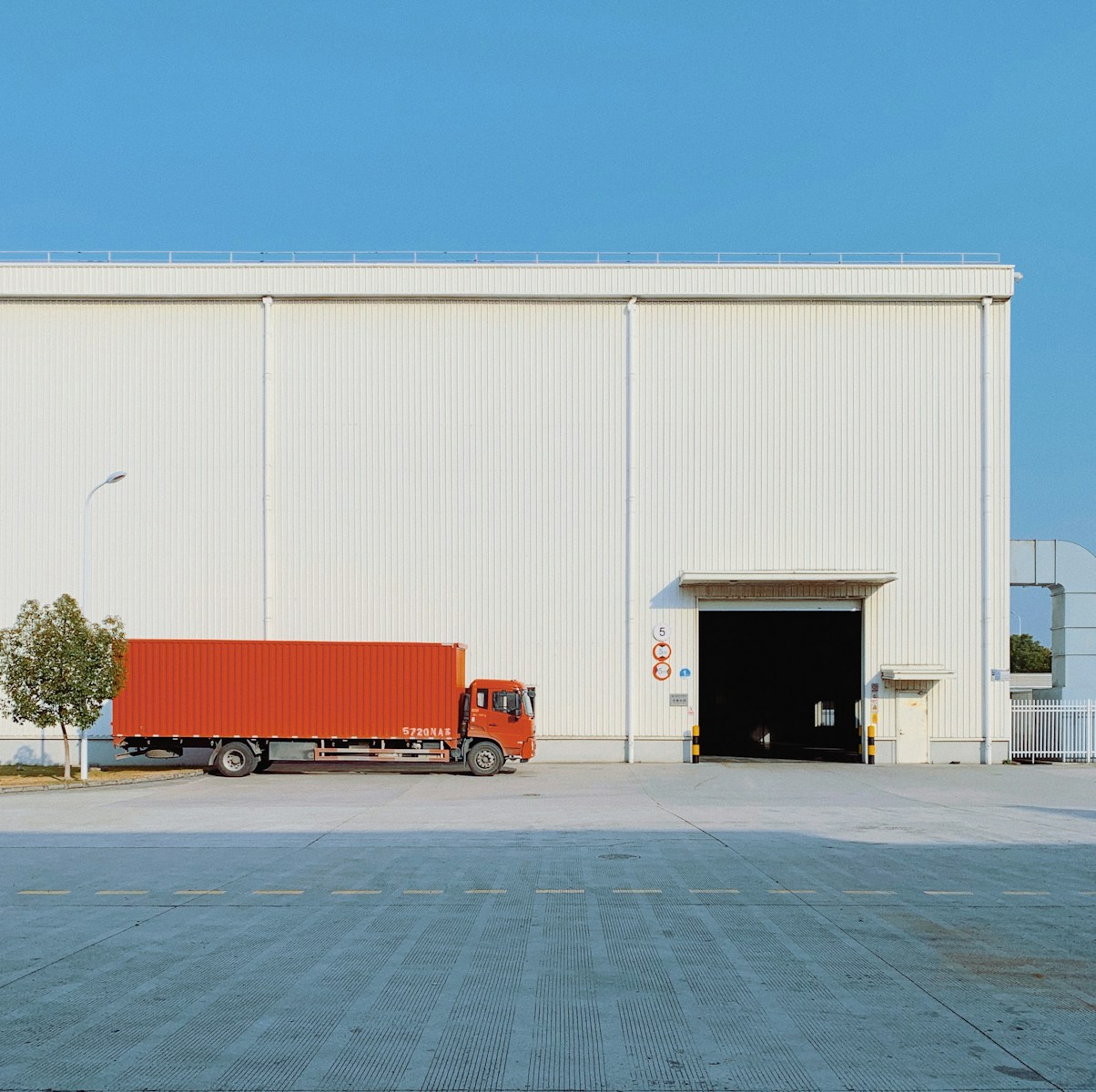
Brakes are one of the most critical safety components on any vehicle, especially trucks, which are heavier and require more stopping power than standard cars. Knowing when it’s time to replace your truck’s brakes is essential not only for your safety but also for the safety of others on the road. While brakes don’t wear out overnight, there are clear signs and recommended intervals that indicate it’s time for a replacement. It could also be time for a used heavy duty truck engine.
1. Warning Signs of Worn Brakes
The most obvious indicators of brake wear are sounds and sensations that occur during braking. If you hear a high-pitched squealing or grinding noise when you apply the brakes, it could mean the brake pads are worn down to the metal. This noise is a built-in warning signal created by a small metal tab that scrapes the rotor when the pads are low.
Another sign is reduced braking performance. If your truck takes longer to stop or if the brake pedal feels soft or spongy, this could signal worn pads, air in the brake lines, or even leaking brake fluid. In some cases, the truck might pull to one side while braking, which may point to uneven brake wear or issues with the brake calipers.
2. Visual Inspection and Dashboard Indicators
Many trucks today are equipped with brake pad wear sensors that trigger a warning light on the dashboard. If this light comes on, it’s time to have your brakes inspected by a professional as soon as possible. Even without this technology, a visual inspection of the brake pads through the wheel spokes can show if the pad material is worn thin—less than 1/4 inch is typically a sign they need to be replaced.
3. Mileage and Maintenance Schedules
Generally, brake pads on a truck should be inspected every 10,000 to 15,000 miles and might need replacing anywhere from 25,000 to 70,000 miles, depending on driving habits, load weight, and terrain. For example, a truck used for heavy towing or frequent stop-and-go driving will likely require new brakes sooner than one used for light highway cruising.
4. Importance of Timely Replacement
Ignoring brake issues can lead to more expensive repairs, such as damaged rotors or calipers, and significantly increases the risk of accidents. Replacing brake pads before they are completely worn out preserves other components of the braking system and ensures consistent stopping power. It’s not just about maintenance—it’s about peace of mind and safety.
Conclusion
Knowing when it’s time for new brakes on a truck comes down to paying attention to warning signs, following maintenance schedules, and responding quickly to changes in braking performance. Regular inspections and prompt replacement can prevent costly repairs and keep your truck safe and roadworthy. Whether you drive a light-duty pickup or a heavy-duty work truck, your brakes are your first line of defense—don’t wait until it’s too late.